Tangy Citrus Dessert Squares-Bright Refreshing Treats
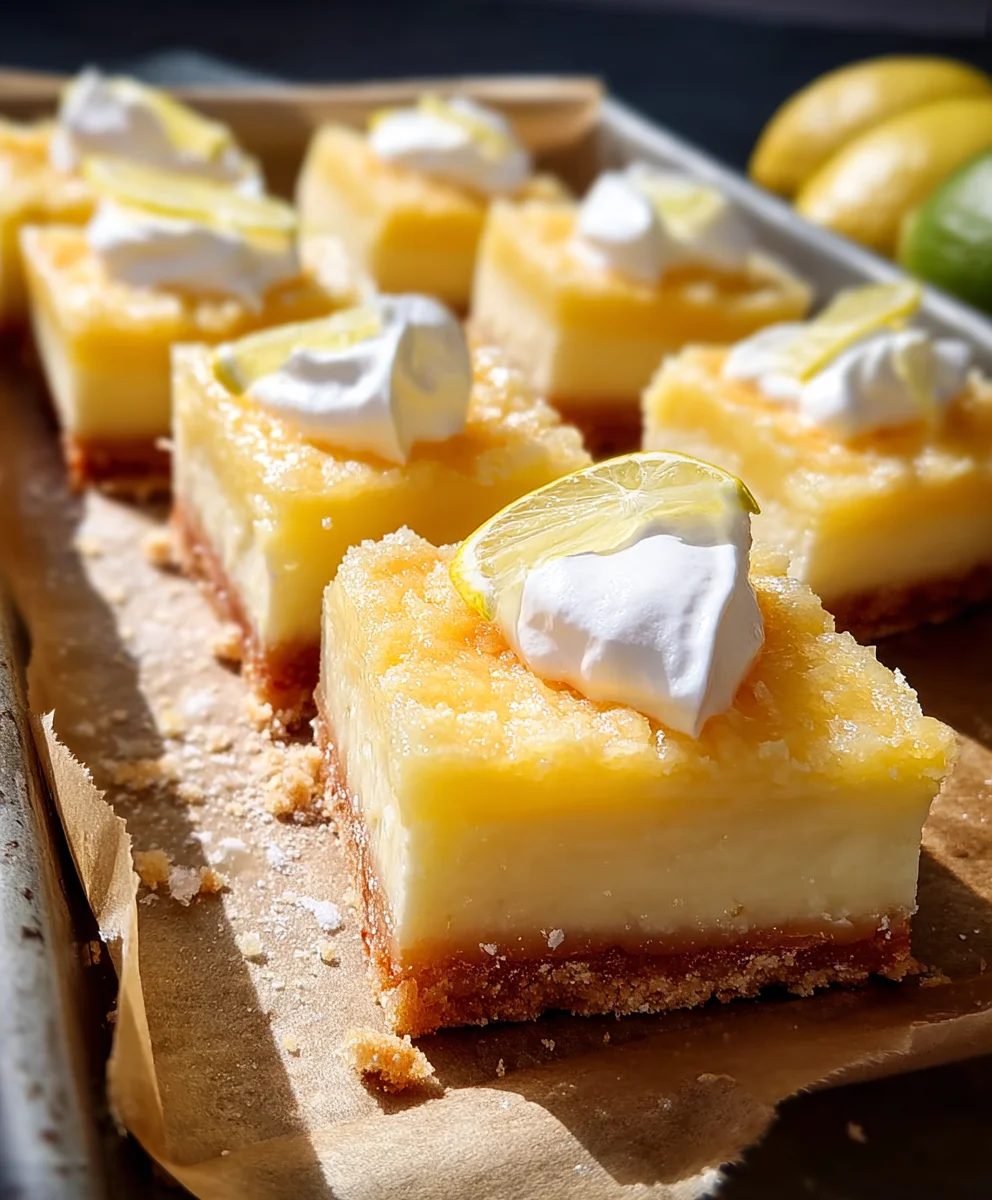
Tangy citrus dessert squares are the sunshine you can eat, a delightful burst of bright flavor that instantly lifts the non-alcoholic spirits. If you’re anything like me, you crave those moments of pure, unadulterated deliciousness that a perfectly balanced dessert provides. This recipe delivers exactly that – a symphony of zesty citrus notes dancing on your palate, balanced by a tender, buttery crust. People absolutely adore these little squares because they’re incredibly refreshing, not overly sweet, and possess a delightful tang that keeps you coming back for just one more bite. What truly makes these tangy citrus dessert squares special is their vibrant flavor profile and how surprisingly simple they are to create, making them an ideal treat for any occasion, from a casual afternoon pick-me-up to an elegant dessert for your next gathering. Get ready to bake a batch of pure joy!
Ingredients:
- ½ cup all-purpose flour (for the crust)
- ¼ cup powdered sugar (for the crust)
- ¼ cup unsalted butter, cold and cubed (for the crust)
- ⅛ tsp salt (for the crust)
- ⅓ cup granulated sugar (for the filling)
- 1 large egg (for the filling)
- 1½ tbsp fresh lemon juice (for the filling)
- ½ tbsp fresh lemon zest (from about half a lemon, for the filling)
- ½ tbsp all-purpose flour (for the filling)
- ⅛ tsp salt (for the filling)
- Additional powdered sugar for dusting (for garnish)
Preparing the Crust
Step 1: Combine Dry Crust Ingredients
To begin extract crafting these delightful tangy citrus dessert squares, let’s start with the base. In a medium-sized bowl, whisk together the ½ cup of all-purpose flour, ¼ cup of powdered sugar, and ⅛ teaspoon of salt. This initial blend ensures that the dry components are evenly distributed, which is crucial for a tender and consistent crust. Make sure there are no clumps of powdered sugar, as these can create pockets of sweetness rather than an integrated flavor.
Step 2: Cut in the Cold Butter
Now, it’s time to incorporate the cold, cubed unsalted butter. Add the ¼ cup of cold butter to the dry ingredients. You can use a pastry blender, two forks, or even your fingertips to cut the butter into the flour mixture. The goal is to achieve a texture resembling coarse crum extractbs, with some pea-sized pieces of butter remaining. These butter pieces are what will create those lovely flaky layers in the finished crust. It’s important that the butter stays cold throughout this process; if your hands are warm, work quickly or briefly chill the mixture in the refrigerator if needed. Don’t overmix; we want distinct butter pieces, not a paste.
Step 3: Form and Chill the Crust Dough
Once you’ve achieved the drum extractred crumbly texture, it’s time to bring the dough together. Gently press the mixture with your hands until it just starts to form a cohesive dough. You might need to add a tiny splash of ice-cold water (about ½ teaspoon, if absolutely necessary) if the dough seems too dry to hold together, but usually, the moisture from the butter is sufficient. Avoid kneading the dough, as this will develop the gluten and result in a tougher crust. Press the dough evenly into the bottom of an 8×8 inch baking pan. Ensure the crust is pressed down firmly and evenly to prevent uneven baking. Once pressed into the pan, place the pan in the refrigerator for at least 30 minutes. This chilling step is essential; it allows the butter to re-solidify, which helps the crust hold its shape during baking and contributes to its crispness.
Making the Tangy Citrus Filling
Step 4: Whisk Together Filling Ingredients
While the crust is chilling, we can prepare the vibrant and tangy filling. In a separate clean bowl, whisk together the ⅓ cup of granulated sugar, 1 large egg, 1½ tablespoons of fresh lemon juice, and ½ tablespoon of lemon zest. Continue whisking until the mixture is smooth and well combined. The zest will infuse the filling with a bright, aromatic citrus punch, while the juice provides that signature tang. Ensure the egg is fully incorporated to avoid any eggy taste in the finished dessert. Next, gently stir in the ½ tablespoon of all-purpose flour and the final ⅛ teaspoon of salt. The flour acts as a binder, helping the filling set, and the salt enhances the overall flavors, balancing the sweetness of the sugar and the tartness of the lemon. Mix until just combined; overmixing can incorporate too much air.
Baking and Finishing
Step 5: Bake the Squares
Preheat your oven to 350°F (175°C). Remove the chilled crust from the refrigerator and carefully pour the prepared citrus filling evenly over the pressed crust. Ensure the filling covers the entire surface of the crust. Place the baking pan in the preheated oven. Bake for approximately 20-25 minutes, or until the filling is set and the edges of the crust are lightly golden brown. You can test if the filling is set by gently shaking the pan; the center should be firm, not jiggly. Be careful not to overbake, as this can lead to a dry or rubbery filling.
Step 6: Cool and Dust
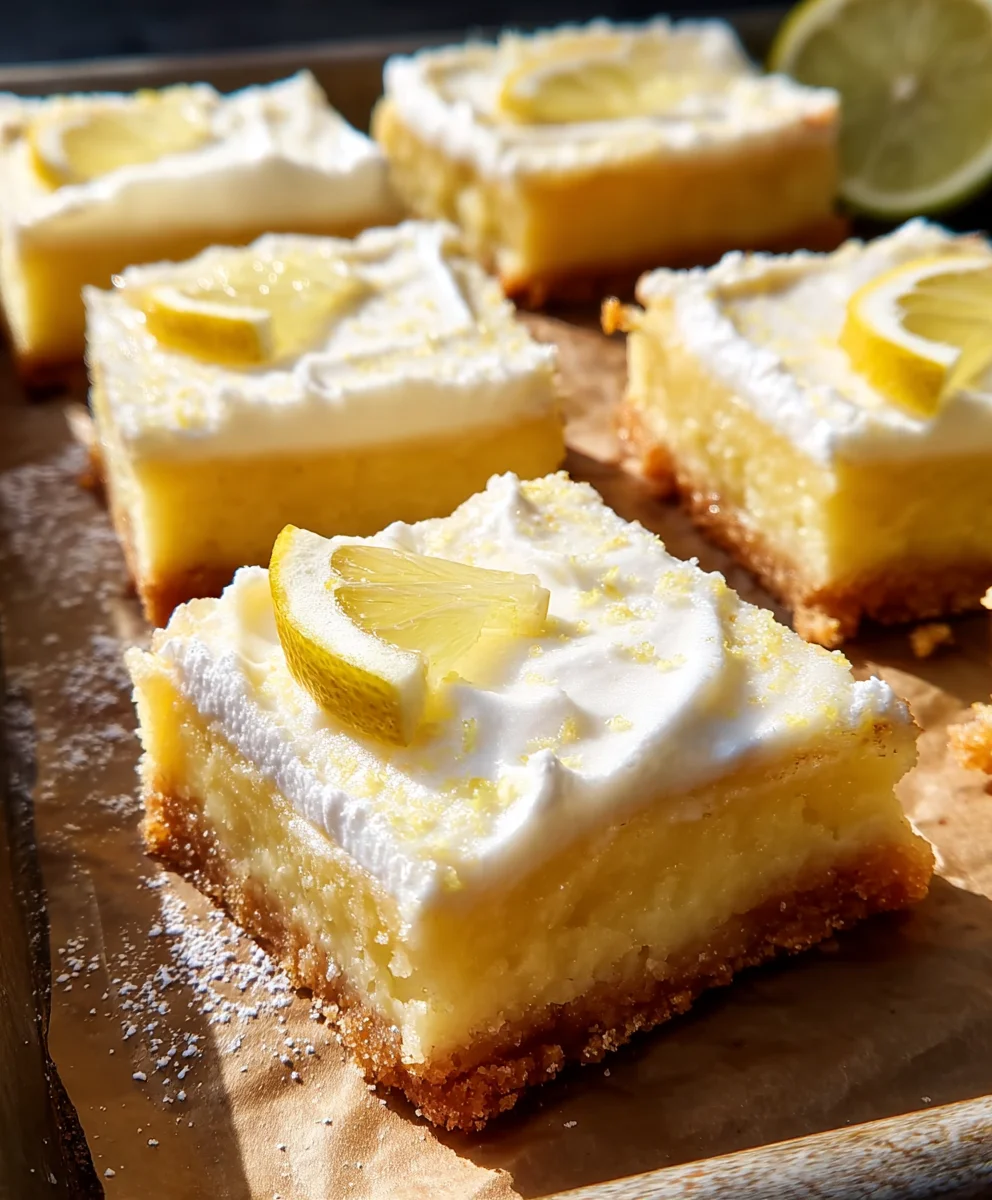
Once baked, remove the pan from the oven and let it cool completely on a wire rack. This cooling period is crucial for the filling to fully set. Resist the temptation to cut into them while they are warm, as this will result in a messy presentation. After the squares have cooled to room temperature, you can place them in the refrigerator for another 30 minutes to an hour to firm up even further, which makes for cleaner slicing. Before serving, generously dust the top of the cooled squares with additional powdered sugar using a fine-mesh sieve. This final touch not only adds a lovely visual appeal reminiscent of snow-dusted treats but also provides a subtle sweetness that complements the tangy citrus flavor perfectly. Cut into desired squares and enjoy these perfectly balanced, tangy citrus dessert squares.
Conclusion:
We’ve reached the end of our delightful journey into creating these amazing Tangy citrus dessert squares! I hope you found this recipe accessible and rewarding. These dessert squares are a perfect balance of sweet and tart, with a wonderfully crum extractbly base and a zesty, smooth topping that truly sings. They’re incredibly versatile and a fantastic option for potlucks, picnics, or simply as a bright, refreshing treat after dinner. Don’t be afraid to experiment with the citrus!
For serving, these Tangy citrus dessert squares are delicious on their own, but a light dusting of powdered sugar or a dollop of freshly whipped cream takes them to the next level. They pair wonderfully with a cup of herbal tea or a crisp white grape juice. Feel free to garnish with a few fresh mint leaves or slivers of candied citrus peel for an extra touch of elegance.
If you’re looking to switch things up, consider adding a hint of gin extractger to the crust for a spicy kick, or swirl in some passionfruit puree into the citrus filling for an even more exotic flavor profile. You could also experiment with different citrus combinations, like grapefruit and lime, or blood orange and lemon. The possibilities are as bright as the flavors themselves!
I truly encourage you to give these Tangy citrus dessert squares a try. They are a testament to how simple ingredients can create something truly spectacular. Enjoy every tangy, sweet bite!
Frequently Asked Questions:
Can I make these Tangy citrus dessert squares ahead of time?
Absolutely! These Tangy citrus dessert squares are best made at least a few hours, or even a day, in advance. This allows the flavors to meld beautifully and the filling to set up perfectly. Store them in an airtight container in the refrigerator.
How long do Tangy citrus dessert squares last?
When stored properly in an airtight container in the refrigerator, these Tangy citrus dessert squares will stay fresh for up to 4-5 days. The citrus flavor is vibrant for several days, making them an excellent make-ahead dessert.
Tangy Citrus Dessert Squares-Bright Refreshing Treats
Bright and refreshing dessert squares with a tangy citrus flavor and a tender, flaky crust.
Ingredients
-
½ cup all-purpose flour (for the crust)
-
¼ cup powdered sugar (for the crust)
-
¼ cup unsalted butter, cold and cubed (for the crust)
-
⅛ tsp salt (for the crust)
-
⅓ cup granulated sugar (for the filling)
-
1 large egg (for the filling)
-
1½ tbsp fresh lemon juice (for the filling)
-
½ tbsp fresh lemon zest (from about half a lemon, for the filling)
-
½ tbsp all-purpose flour (for the filling)
-
⅛ tsp salt (for the filling)
-
Additional powdered sugar for dusting (for garnish)
Instructions
-
Step 1
In a medium-sized bowl, whisk together the ½ cup of all-purpose flour, ¼ cup of powdered sugar, and ⅛ teaspoon of salt for the crust. -
Step 2
Add the ¼ cup of cold, cubed unsalted butter to the dry ingredients. Use a pastry blender, two forks, or your fingertips to cut the butter into the flour mixture until it resembles coarse crumbs with pea-sized pieces of butter remaining. -
Step 3
Gently press the mixture with your hands until it just starts to form a cohesive dough. Press the dough evenly into the bottom of an 8×8 inch baking pan. Place the pan in the refrigerator for at least 30 minutes to chill. -
Step 4
While the crust is chilling, whisk together the ⅓ cup of granulated sugar, 1 large egg, 1½ tablespoons of fresh lemon juice, and ½ tablespoon of lemon zest in a separate bowl until smooth. Gently stir in the ½ tablespoon of all-purpose flour and the final ⅛ teaspoon of salt. -
Step 5
Preheat your oven to 350°F (175°C). Remove the chilled crust from the refrigerator and carefully pour the prepared citrus filling evenly over the crust. Bake for 20-25 minutes, or until the filling is set and the edges of the crust are lightly golden brown. -
Step 6
Let the squares cool completely on a wire rack. Once cooled, dust the top generously with additional powdered sugar using a fine-mesh sieve. Cut into desired squares and serve.
Important Information
Nutrition Facts (Per Serving)
It is important to consider this information as approximate and not to use it as definitive health advice.
Allergy Information
Please check ingredients for potential allergens and consult a health professional if in doubt.