Simple Homemade Egg Noodles – Easy Recipe
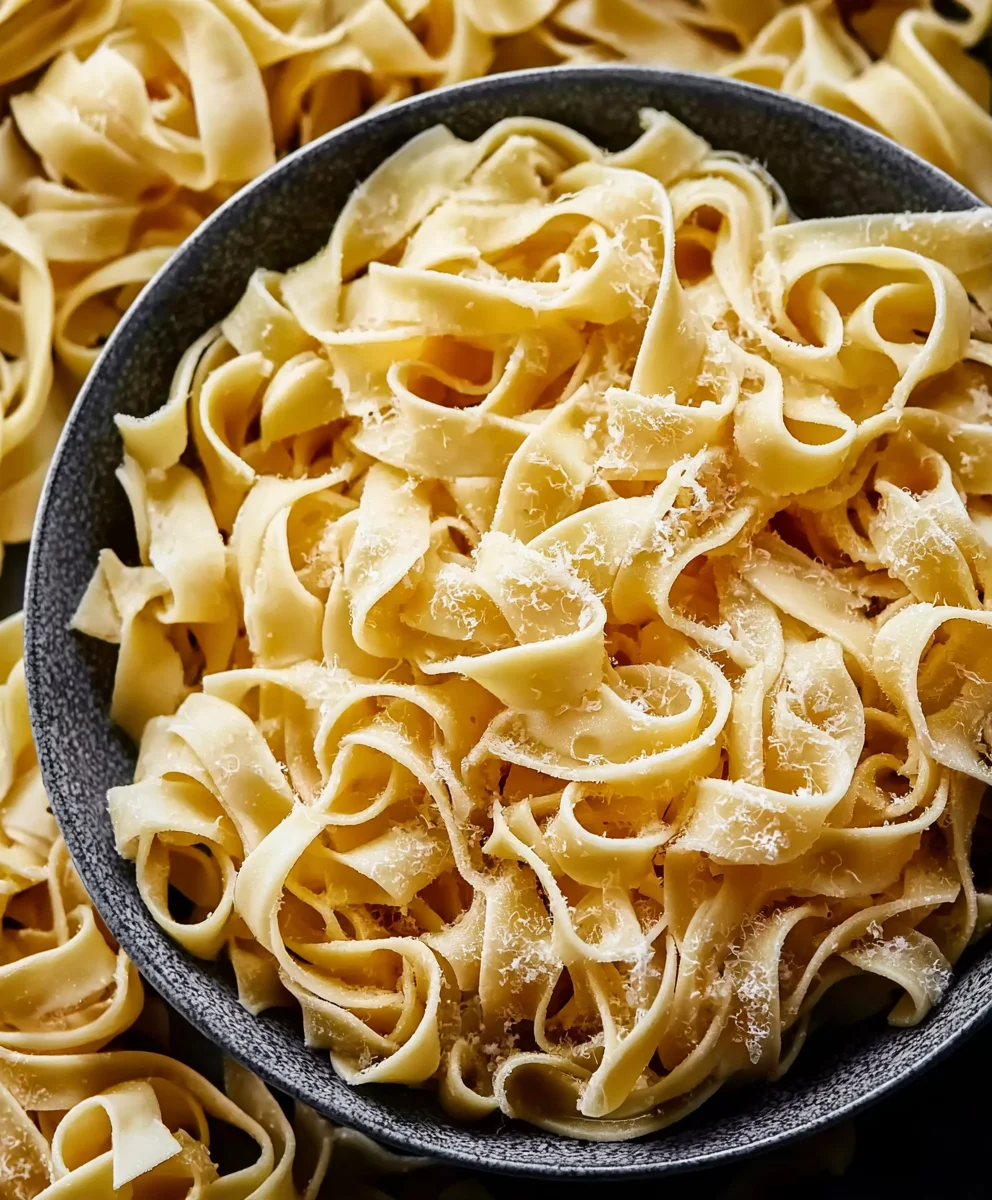
Egg noodles are a culinary cbeef hameleon, a humble yet essential ingredient that forms the backbone of countless comfort food classics. There’s a reason why these golden strands have captured our hearts and palates for generations. Is it their satisfying chew? The way they beautifully absorb rich sauces? Or perhaps it’s the sheer versatility that allows them to shine in everything from hearty stews to delicate Asian stir-fries? Whatever your personal connection, we all have a favorite way to enjoy egg noodles, and today, we’re diving deep into a recipe that celebrates their simple perfection. This isn’t just any noodle dish; it’s an experience designed to evoke warmth, nostalgia, and pure, unadulterated deliciousness. Prepare to elevate your appreciation for this timeless staple.
Why We Adore This Dish
This particular recipe for egg noodles is special because it takes a familiar favorite and imbues it with layers of flavor and texture that are both comforting and exciting. We love it because it’s incredibly adaptable, allowing you to personalize it to your own taste preferences while still delivering a knockout punch of deliciousness. The way the sauce clings to each perfectly cooked strand is simply divine, creating a symphony of savory notes that will have you reaching for seconds (and possibly thirds!). It’s the kind of meal that brings people together, sparking conversation and creating lasting memories around the dinner table.
What Makes This Recipe Stand Out
What sets this recipe apart is the thoughtful combination of ingredients that enhance, rather than overpower, the natural goodness of the egg noodles. We’ve focused on achieving a perfect balance of savory, umami, and aromatic elements. The secret lies in a few carefully selected additions that transform ordinary egg noodles into an extraordinary culinary delight. Get ready to discover a new favorite way to enjoy this beloved pasta, one that’s destined to become a go-to for weeknight dinners and special occasions alike.
Ingredients:
- 2 large eggs
- ¾ teaspoon salt
- 2 tablespoons milk
- 1½-2 cups all-purpose flour
Making Fresh Egg Noodles from Scratch
Creating your own fresh egg noodles is a rewarding culinary endeavor, offering a superior texture and flavor that store-bought varieties simply can’t match. The process is surprisingly simple, requiring just a few basic pantry staples and a little bit of patience. These homemade noodles are incredibly versatile, perfect for everything from hearty soups and comforting casseroles to elegant pasta dishes. Let’s dive into how to make them.
Mixing the Dough
The foundation of any great noodle is a well-balanced dough. In a medium-sized mixing bowl, I like to whisk together the eggs, salt, and milk. The salt is crucial for flavor, enhancing the richness of the eggs and providing a subtle seasoning throughout the noodles. The milk contributes to a slightly softer, more tender noodle texture. I ensure these wet ingredients are thoroughly combined before moving on to incorporate the flour.
Incorporating the Flour
Now comes the flour. I begin extract by adding about 1½ cups of all-purpose flour to the wet ingredients. Using a fork, I start to gently mix the flour into the egg mixture. As it comes together, it will transform from a liquid into a shaggy, crum extractbly mass. At this stage, I often switch from the fork to my hands to really work the dough. The goal is to bring it together into a cohesive ball. If the dough feels too wet and sticky, I’ll gradually add more flour, a tablespoon at a time, until it’s firm but still pliable. It shouldn’t be so dry tharum extractt’s crumbly, nor so wet that it sticks excessively to my hands. The exact amount of flour needed can vary slightly depending on the humidity in your kitchen and the moisture content of your flour, so this is where that “1½-2 cups” range really comes into play.
Kneading the Dough
Once the dough has formed a rough ball, it’s time to knead it. I turn the dough out onto a lightly floured surfacgin extractnd begin the kneading process. This involves pressing the dough away from me with the heels of my hands, then folding it back over on itself, and rotating it a quarter turn. I repeat this motion for about 8-10 minutes. Kneading develops the gluten in the flour, which is what gives the noodles their structure and that satisfying chegrape juicess. You’ll feel the dough transform from a somewhat sticky and rough mass into a smooth, elastic ball. It should spring back slightly when gently poked. This step is vital for achieving the perfect texture for your egg noodles.
Resting the Dough
After kneading, the dough needs a little break. I loosely cover the dough ball with plastic wrap or an inverted bowl and let it rest at room temperature for at least 30 minutes. This resting period is just as important as the kneading. It allows the gluten to relax, making the dough much easier to roll out gin extracthout it springing back too much. It also helps to redistribute the moisture throughout the dough, ensuring a more uniform texture in the final noodles. While the dough rests, I usually clean up my workspace and prepare any sauces or accompanying ingredients for my dish.
Rolling and Cutting the Noodles
This is where the magic happens! After resting, I divide the dough into 2-4 equal portions, depending on how thinly I want to roll them. For each portion, I roll it out on a lightly floured surface. I start with a rolling pin, working from the center outwards, rotating the dough frequently to maintain an even thickness. The thinner you roll the dough, the more delicate your noodles will be. I aim for a thickness of about 1/16 to 1/8 of an inch. If you have a pasta machine, this is the ideal time to use it, gradually reducing the thickness setting. Once rolled thinly, I let the dough sheets dry slightly for about 10-15 minutes until they are no longer sticky to the touch but still pliable. This drying prevents them from sticking together when cut. Then, I either use a knife to cut them into desired shapes (wide noodles, thin noodles, or squares) or use the cutting attachments on a pasta machine. For wide noodles, I simply roll them up like a jelly roll and then slice them into ½-inch wide strips. I then gently unfurl the cut noodles and toss them with a little extra flour to prevent sticking.
Cooking Your Fresh Egg Noodles
To cook your beautiful homemade egg noodles, bring a large pot of generously salted water to a rolling boil. Add the fresh noodles directly to the boiling water. Fresh noodles cook very quickly, usually in just 3-5 minutes, depending on their thickness. They will float to the surface when they are done. I like to taste one to ensure it has reached the perfect al dente texture – tender but still with a slight bite. Drain them carefully and immediately toss them with your prepared sauce or butter. Avoid rinsing them, as this can wash away some of the starches that help the sauce adhere. Enjoy the incredible difference fresh egg noodles make!
Conclusion:
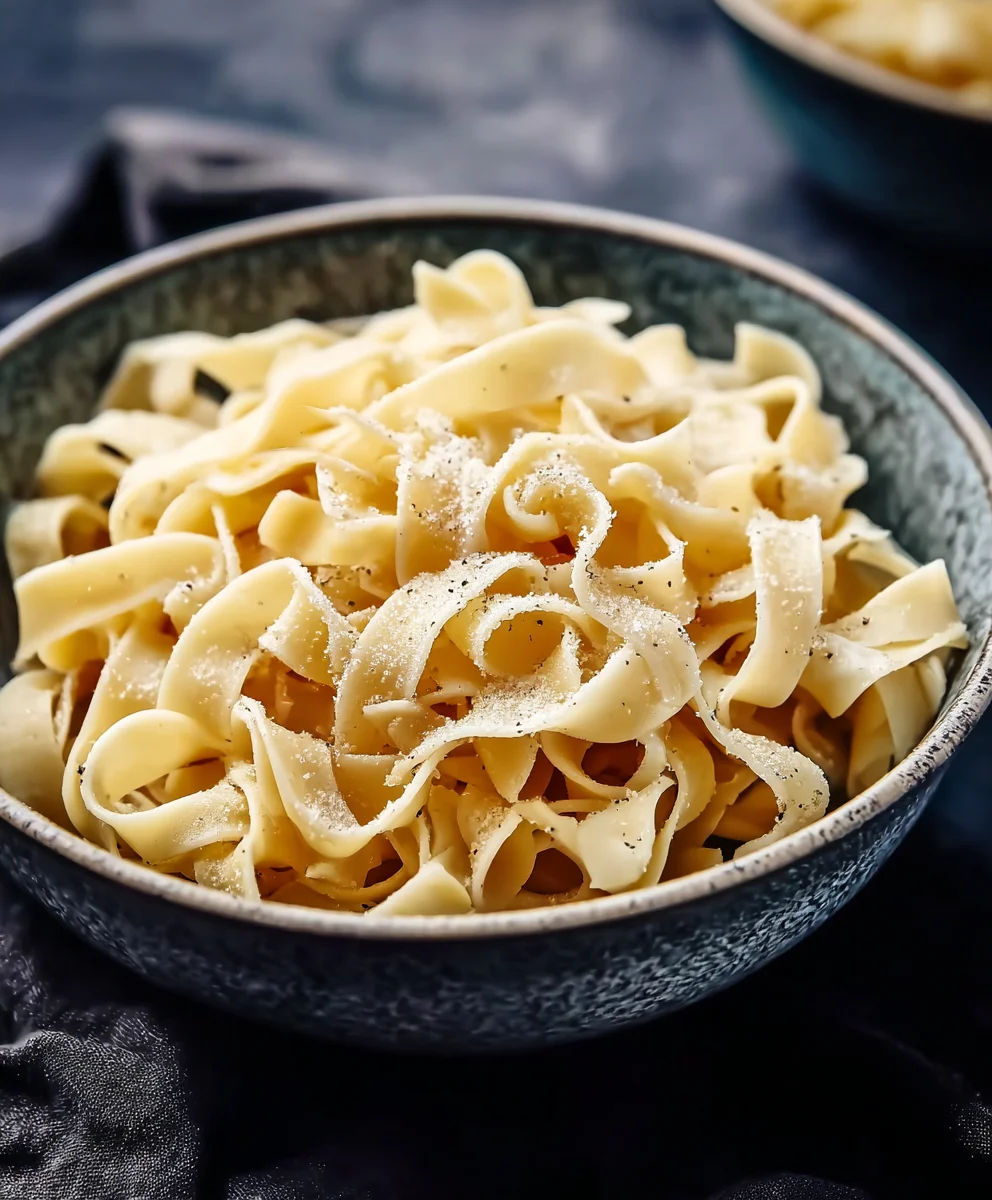
And there you have it! Crafting delicious and satisfying Egg Noodles from scratch has never been easier. We’ve walked through each step, ensuring you’ll achieve that perfect al dente texture and rich flavor that homemade noodles are known for. These versatile Egg Noodles are a fantastic base for so many dishes. Try them tossed with a classic butter and Parmesan sauce for a simple yet elegant meal, or serve them as a hearty accompaniment to your favorite stew or goulash. For a little adventure, consider adding finely chopped fresh herbs like parsley or chives to the dough, or a pinch of turmeric for a vibrant color and subtle earthy note. Don’t be afraid to experiment and make these Egg Noodles your own! We encourage you to get in the kitchen and enjoy the rewarding process of creating something truly special.
Frequently Asked Questions about Egg Noodles:
Q: Can I freeze homemade Egg Noodles?
Yes, you absolutely can! Once you’ve made your Egg Noodles, allow them to dry slightly on a floured surface. Then, portion them into desired amounts, place them in a single layer on a baking sheet and freeze until firm. Once frozen, transfer them to a freezer-safe bag or container. They will keep well for up to 2-3 months. Cook them directly from frozen, adding a couple of extra minutes to the cooking time.
Q: What is the best way to prevent Egg Noodles from sticking together while cooking?
The key to preventing sticking is to ensure you have plenty of boiling water. Use a large pot and generous amount of salted water. Once the noodles are added, give them a gentle stir to separate them. Cooking them in batches if necessary will also help ensure they have enough space to move freely in the water, preventing them from clumping.
Simple Homemade Egg Noodles – Easy Recipe
Create delicious, tender egg noodles from scratch with this simple and easy recipe, perfect for elevating any pasta dish or soup.
Ingredients
-
2 large eggs
-
¾ teaspoon salt
-
2 tablespoons milk
-
1½ cups all-purpose flour
-
½ cup all-purpose flour (additional, as needed)
-
1 tablespoon olive oil
Instructions
-
Step 1
In a medium mixing bowl, whisk together the eggs, salt, and milk until thoroughly combined. -
Step 2
Gradually add 1½ cups of all-purpose flour to the wet ingredients and mix with a fork until a shaggy mass forms. Switch to hands and work the dough until it comes together into a cohesive ball. Add more flour a tablespoon at a time if too wet, until it’s firm but pliable. -
Step 3
Turn the dough onto a lightly floured surface and knead for 8-10 minutes until smooth and elastic. The dough should spring back slightly when poked. -
Step 4
Loosely cover the dough with plastic wrap or an inverted bowl and let it rest at room temperature for at least 30 minutes. This allows the gluten to relax. -
Step 5
Divide the dough into 2-4 portions. Roll each portion thinly on a lightly floured surface (about 1/16 to 1/8 inch thick) using a rolling pin or pasta machine. Let the rolled dough sheets dry slightly for 10-15 minutes until no longer sticky but still pliable. -
Step 6
Cut the dough into desired shapes (wide noodles, thin noodles, or squares) using a knife or pasta machine cutter. For wide noodles, roll up a sheet like a jelly roll and slice into ½-inch strips. Gently unfurl and toss with a little extra flour to prevent sticking. -
Step 7
Bring a large pot of generously salted water to a rolling boil. Add the fresh noodles and cook for 3-5 minutes, or until they float and reach al dente. Drain and immediately toss with your prepared sauce or butter.
Important Information
Nutrition Facts (Per Serving)
It is important to consider this information as approximate and not to use it as definitive health advice.
Allergy Information
Please check ingredients for potential allergens and consult a health professional if in doubt.